


 +86 152 6060 5085

 English
 русский
 español
 português
 العربية
 Polski

- Home
- Products
- News
- Blog
- Customer Cases
- About Us
- Contact Us
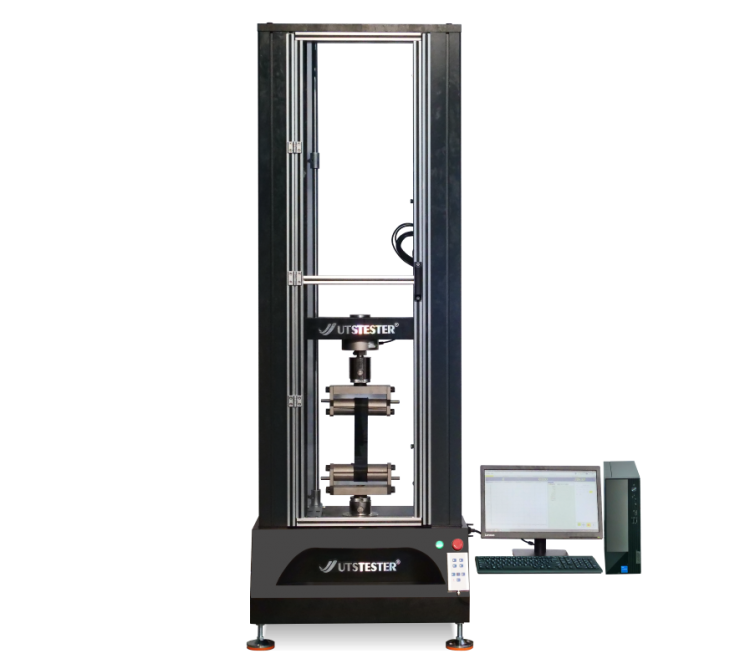
Model :
H001NBrand :
UTSTESTERCertificate :
CE, ISO 17025Lead Time :
10-15 DaysPayment :
TT, LCOriginal Region :
MADE IN CHINAPort Of Dispatch :
CHINA PORTStandards :
ISO 22654, ISO 20863, ISO20876, ISO17695, ISO17697, ISO 17708, ISO 17696, ISO17706, ISO 22650 AS/NZS 2210.2-5.2.4, DIN 53331 ASTMD 882,ASTMD5034 ,ASTMD 751/2209 /412/624 FIA 1206; BS 5131- 3.7, 5.11, 5.13 , BS 5131-2.6Product Overview
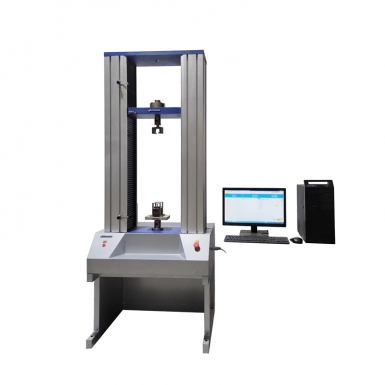
The machine can be widely used in metal and non-metal tensile, compression, bending and other mechanical properties of the test after equipped with the appropriate accessories.
Features
The testing machine consists of three parts: the force-adding part, the power-driving part, and the force-measuring and recording and processing part. The host and auxiliary equipment constitute the force-adding frame of the testing machine, the motor, motor drive and deceleration system under the worktable of the host constitute the power driving system, and the measurement and control software, computer and printer constitute the control, data processing and printing system of the testing machine.
Software Function
1. Software support with Windows operational system.
2. Computer online software support with Chinese and English operation.
3. Testing methods program can be customized.
4. Testing data report can be transferred to EXCEL, WORD format, etc. Automatically monitor testing results.
5. Test units can be switched freely, such as Newton, pound, kgf, etc.
6. Curve of tested samples and testing results can be showed in the same test report.
7. Testing curve can be saved on the personal computer for reviewing.
8. Testing software includes various materials strength testing methods, which achieves convenient, fast and accurate tests and lower running costs.
Standards
SATRA TM5, TM53, TM52, TM51, TM108, TM113, TM117, TM118, TM120, TM123, TM149, TM162, TM401, TM 411, TM 410
ISO 34-1, ISO 36, ISO 37, ISO 3377-1, ISO 3377-2, ISO 11644, ISO 20866, ISO 20867, ISO19957, ISO20874, ISO22650, ISO 19958, ISO20344-5.2.4, ISO 20345-5.3.1.2, ISO17698, ISO20875, ISO 22777, ISO 22776, ISO 22654, ISO 20863, ISO20876, ISO17695, ISO17697, ISO 17708, ISO 17696, ISO17706, ISO 22650
AS/NZS 2210.2-5.2.4, DIN 53331
ASTMD 882,ASTMD5034 ,ASTMD 751/2209 /412/624 FIA 1206; BS 5131- 3.7, 5.11, 5.13 , BS 5131-2.6
Key Specification
|
Model |
H001N |
|
Test Speed |
0.001-1000mm/min |
|
Max. Capacity |
5KN,10KN, 20KN, 30KN, 50KN, etc. |
|
Unit |
kgf, lbf , N , kN, kPa, MPa |
|
Load degree of decomposition |
1/200,000 |
|
Load accuracy |
±0.25% |
|
Speed accurate |
±0.1% |
|
Effective width |
410mm |
|
Displacement accuracy |
0.04mm |
|
Effective stroke |
1100mm (Exclude clamps)(Customized) |
|
Motor |
Servo Motor |
|
Very low maintenance
|
The selected materials, components and machine detail design produces a robust, durable machine with very low maintenance requirements. |
|
Machine protection |
Load cell protection; protection against overload, impact and overtravel; telescopic covers providing additional protection for ballscrews. |
|
Power Supply |
AC 220V 50/60HZ 10A |
|
Dimensions |
660×530×2130mm(WxDxH) |
|
Weight |
163kg |
Accessory
|
Standard Accessory |
Manual Grips |
1set |
|
English operational software |
1set |
|
|
Special equipment packing cabinet |
1set |
|
|
Cable connect with PC |
1unit |
|
|
Load cell |
1unit |
|
|
Power wire |
1unit |
|
|
Optional Accessory |
Other grips |
Optional |
|
Extensometer |
Optional |
|
|
Load cell |
Optional |
|
|
Air compressor |
1set |
|
|
Computer |
1set |
|
|
Printer |
1set |
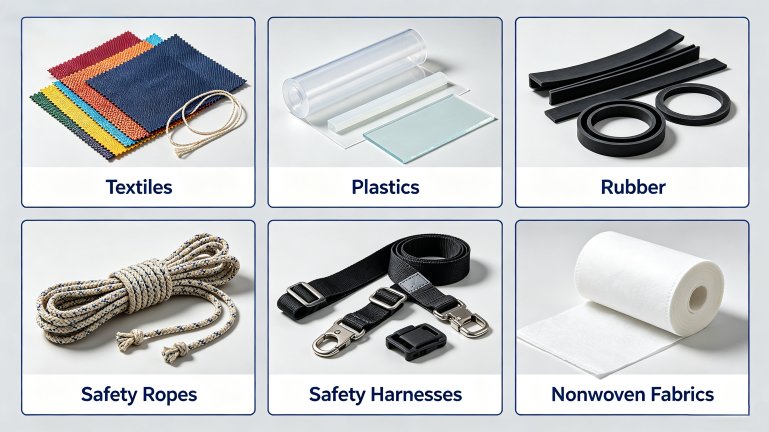
Applicable Materials & Industries
Comparison
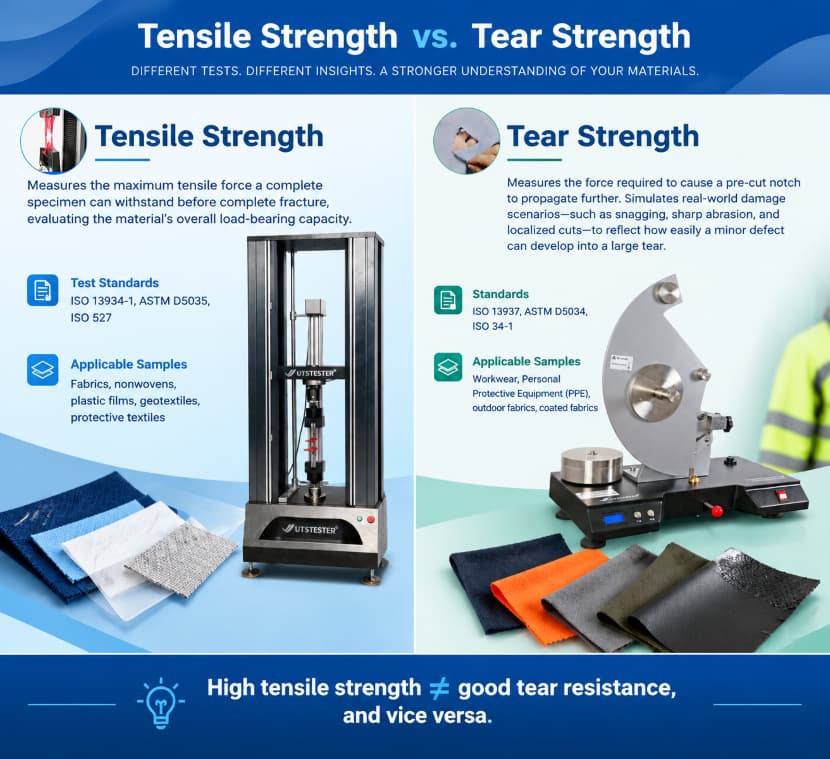
Tensile Strength vs. Tear Strength Tensile Strength vs. Tear Strength
Two mechanical tests, two completely different modes of material failure.Applicable Samples: Fabrics, nonwovens, plastic films, geotextiles, protective textiles
Tear Strength
Measures the force required to cause a pre-cut notch to propagate further. Simulates real-world damage scenarios—such as snagging, sharp abrasion, and localized cuts—to reflect how easily a minor defect can develop into a large tear.
Next product :
Universal Testing Machine(Dual Column) H001NPARTERNERS
Related Product

Room 312, Block D, Jiayuan Garden, No.2 Zhongfa Road, Zhangzhou City, Fujian Province, China

+86 152 6060 5085

+86 596 7686689




 hello@utstesters.com
 hello@utstesters.com
 +86 152 6060 5085
 +8615260605085
